Co-Manufacturing vs Private Label Pastries: Which Scales Your Brand Best?
Co-Manufacturing vs Private Label Pastries
Expanding your bakery offerings requires serious production capacity, but building your own commercial facility is rarely worth the cost. Securing specialized production facilities, investing in industrial baking equipment, and navigating supply and labor shortages can quickly drain your capital before a single pastry is baked. Instead, many pastry customers look for a third-party partner to increase their volume and add new pastries to their bakery case. When it comes to a third-party partner, what type of partnership is right for you, co-manufacturing or private label? Choosing the wrong model can cost you in the long run, even delaying the launch of new products. This guide breaks down everything you need to know to scale your pastry production using the right model for you.
What is Pastry Co-Manufacturing?
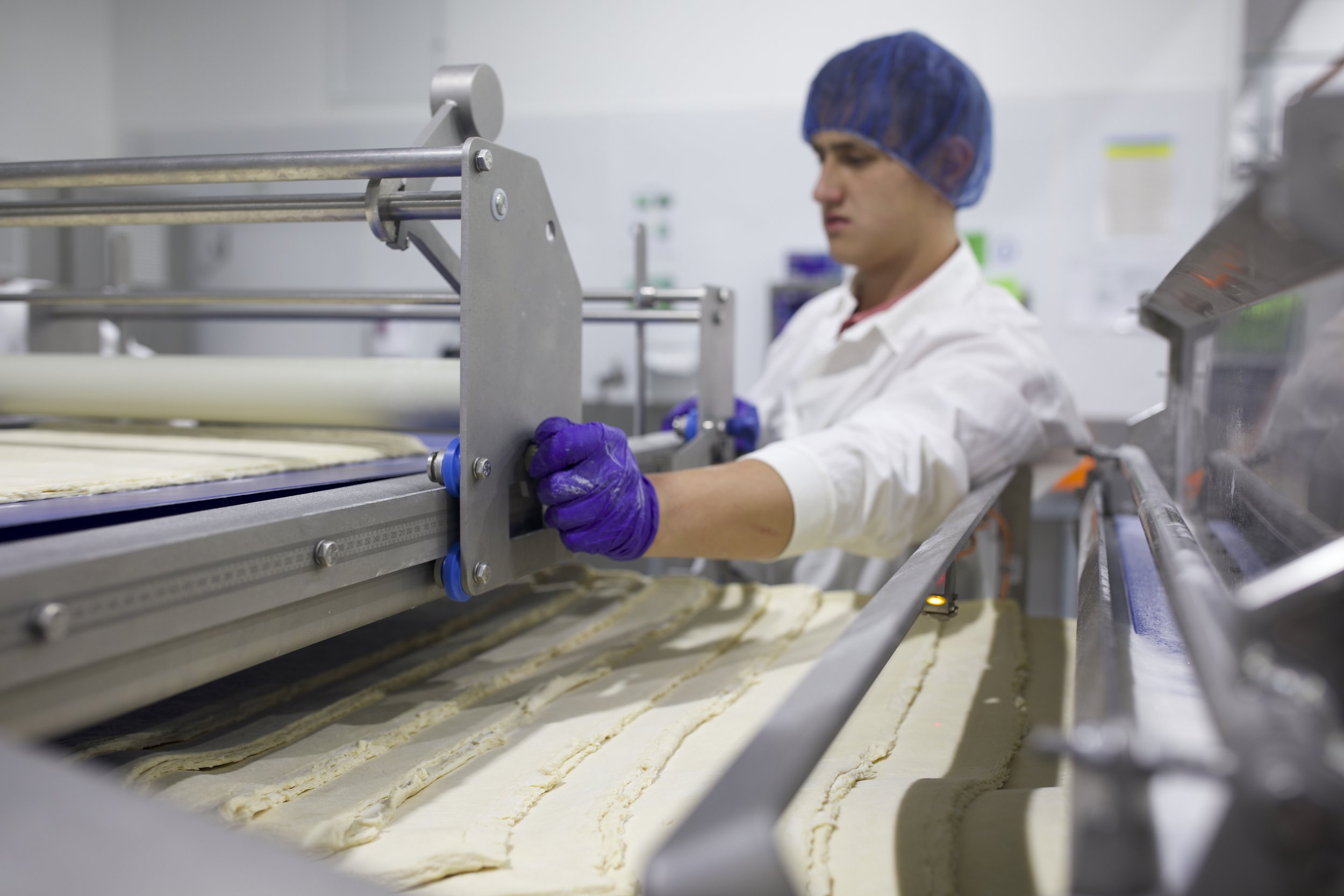
So what exactly is pastry co-manufacturing? You bring your recipe, specifications, and sourcing requirements to your manufacturer and they produce your product in their facility, acting as an extension of your kitchen and brand.
The Advantages
Ownership: You own the recipe and get to decide exactly what goes into your product.
Customization: Want to use a specific supplier? A unique ingredient? You can customize the recipe to your exact specifications until the manufacturer gets it just right.
Consistency: The pastry will taste like your original recipe, providing the consistency customers expect.
Exclusivity: No one else will be able to purchase your pastry from your manufacturer. You are the only one with the right to order it, so you don’t have to worry about having the same pastry as other shops.
The Challenges
Higher Minimums: Requires higher minimum order quantities to justify custom production lines, equipment changeovers, and dedicated storage for your ingredients.
Longer Lead Times: Scaling a new formulation to mass production takes time and collaboration between your team, the R&D team, and your manufacturer. Factor in time for trial runs, shelf-life testing and custom ingredient procurement before finalizing your product for launch.
Higher Upfront Cost: Bringing a recipe to launch at mass production requires upfront capital.
What is Private Labeling for Baked Goods?
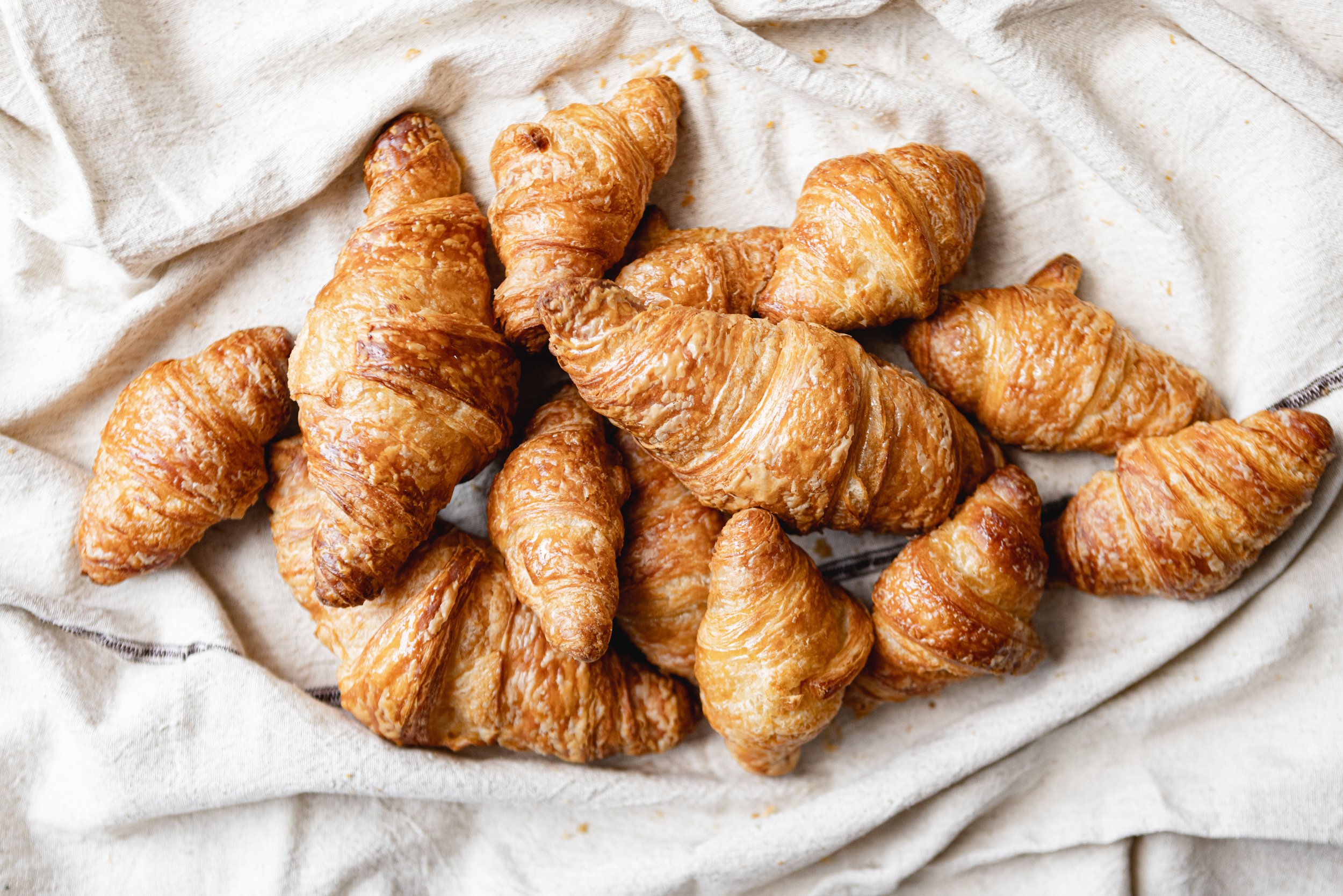
A manufacturer sells a proven, finalized pastry as part of a catalog. You can purchase this pre-existing product, put your brand’s label on it, and package and sell it as your own pastry.
The Advantages
Speed to Market: With zero R&D required, you can launch a new product in weeks instead of months.
Lower MOQs: Typically requires much lower minimum order quantities because the manufacturer is already running the recipe at high volumes and likely has product ready to ship out immediately.
The Challenges
Zero Exclusivity: You could potentially be sourcing the same product as your competitors.
Less Customization: You cannot tweak the recipe; instead, you are at the mercy of the recipes the manufacturer already uses.
Which Model Wins?
| Feature | Co-Manufacturing | Private Label |
|---|---|---|
| Recipe Ownership | You own the formulation | The manufacturer owns it |
| Customization | Limited only by production ability | Minimal |
| Initial Investment | Higher | Lower |
| Speed to Market | Slower (Months from R&D to production) | Faster (Weeks to ship) |
| Best For | Established brands with unique pastries | Cafes and retailers who want quick additions to their bakery case |
How to Choose Co-Manufacturing vs Private Label Pastries
What type of manufacturing works best for you depends on a variety of factors. Do you have a proven brand identity offering unique baked goods that customers can’t get elsewhere? Do you have a niche flavor profile or ingredient sourcing you want a manufacturer to accommodate? Choosing a co-manufacturing partner may work best for you. Are you a small- to medium-sized chain that needs reliable pastries to sell alongside lattes? If you are looking for basic recipes without exclusivity, private label is likely the smartest financial choice. If you are in a transitional phase, such as testing out a product in a few retail locations before a national rollout, private labeling allows you to introduce a new pastry without heavy upfront investment, allowing you to quickly pivot or scale to a new product.
Finding the Right Bakery Partner
Both co-manufacturing and private label partnerships are highly effective, helping cafes and retailers launch new offerings without creating a dedicated production facility. Depending on your brand’s capital and timeline, you can find the right partner for your needs.
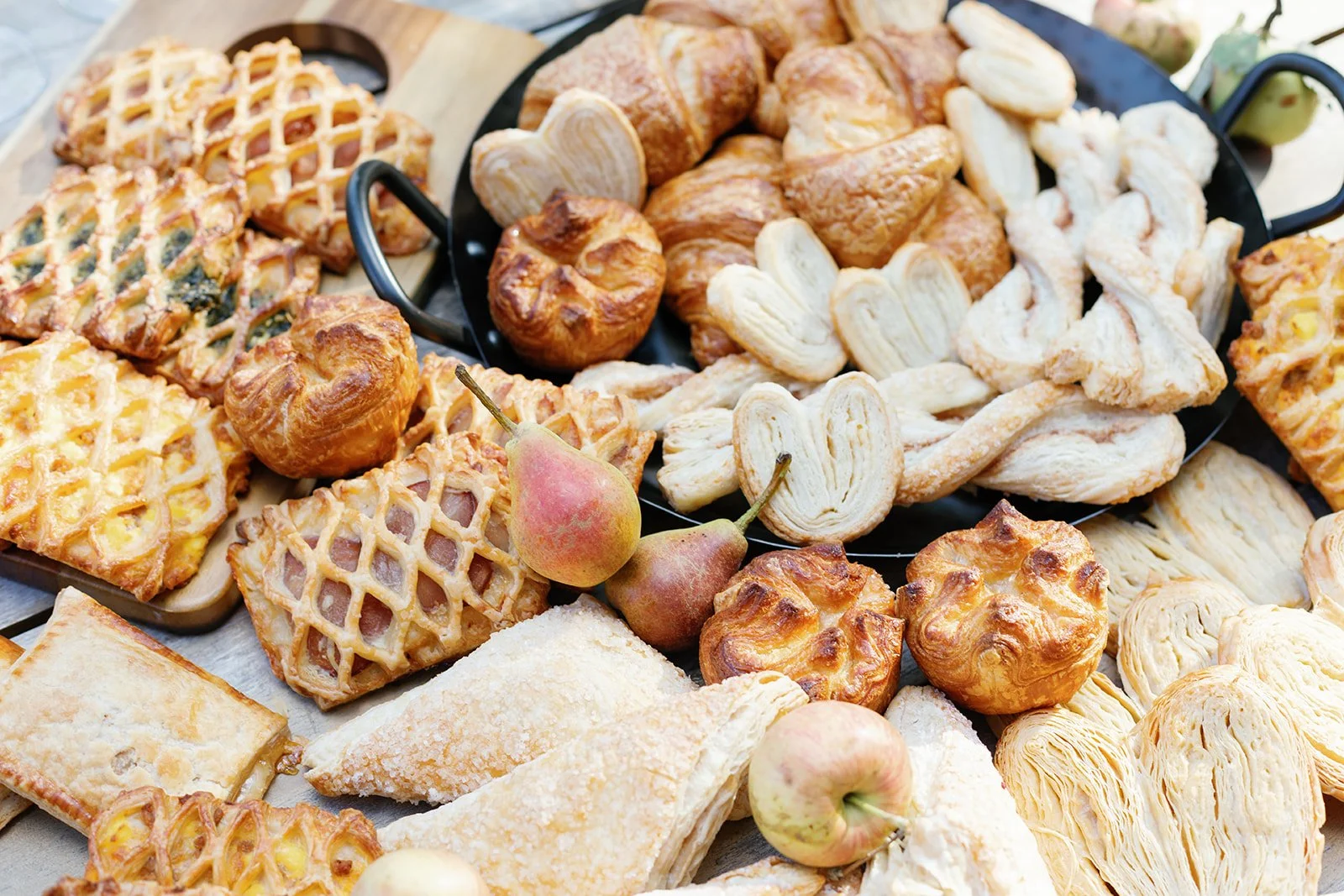
Dutchland Classic Pastries is our brand that manufactures pastries for both private label and co-manufacturing partners. We have successfully helped brands launch their own proprietary recipes into retail settings, from recipe to test kitchen to mass production. We also maintain a large catalog of private-label premium pastries. Whether you need a partner to help you develop a unique product or someone to stock your pastry cases immediately, our facility is equipped to help you scale. Reach out to our team today to request a product catalog or discuss your custom production needs.